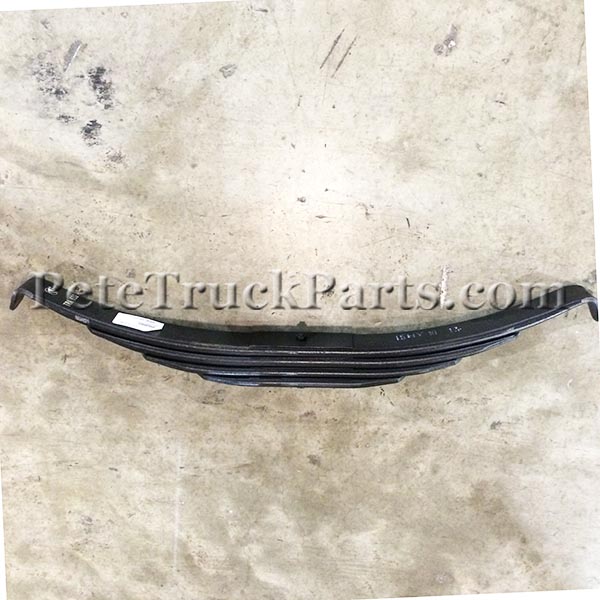
Description
Part Number: TRA-699
4 Leaf Spring ; Width = 3 ; (A) 21-11/16 ; (B) 21-11/16 ; © 4-1/8 ; (D) 3-7/16
This TRA-699 spring is a heavy-duty suspension spring used in truck applications where controlled load support and movement are needed. It’s one of those parts that doesn’t usually get attention until something starts sagging, shifting, or riding unevenly.
On a working truck, springs are under constant tension. They’re absorbing impact, controlling axle movement and keeping the chassis stable when the road isn’t.
This unit replaces the OEM TRA-699 and is built for direct-fit replacement in compatible setups.
What the Part Does
This spring helps manage load distribution and movement inside the suspension system. When the truck hits bumps, loads shift, or the chassis flexes, the spring controls how that energy is absorbed and released.
It keeps things from bouncing uncontrolled and helps the suspension return to its normal position after compression. In simple terms: it’s what keeps the truck from feeling loose or unpredictable under load.
Common Problems This Part Solves
When this spring starts to wear or lose tension, the signs show up in the ride:
- Rear end feels soft or unstable
- Excess bounce after bumps
- Uneven ride height under load
- Noisy suspension movement
- Increased stress on nearby suspension parts
Most of the time, springs don’t fail instantly. They fatigue slowly. Trucks just start sitting or riding differently than they should.
Why Replacement Matters
A weak or worn spring changes how the entire suspension behaves. Once it loses proper tension, other parts start picking up the slack: bushings, mounts, and even tires.
That’s when you start seeing uneven wear patterns and instability at highway speed. Replacing it brings the system back to proper balance so the load is shared correctly again.
Compatibility and Fitment
This spring replaces OEM TRA-699. Always confirm mounting style and load rating before installation. Even small differences in spring spec can change ride height and handling.
Installation and Service Notes
Spring replacement requires safe lifting and proper support of the axle or suspension system. Never rely on the spring itself during removal. Check mounting points for wear, especially seats and contact surfaces. If those are damaged, even a new spring won’t sit correctly.
After installation, the truck should be checked under load to confirm proper ride height and stability, including suspension kit.
Use Case
Used in suspension rebuilds, ride correction jobs, and fleet maintenance where older trucks start showing uneven ride characteristics or fatigue-related suspension issues.
About Us
We’re a family-owned group of Peterbilt dealerships dedicated to getting you the parts you need quickly and affordably. Whether you’re looking for Paccar OEM parts, reliable aftermarket replacements, or popular upgrades like seats and filters, we make it easy to keep your truck running and on the road. If you don’t see what you need online, just give us a call or send an email — chances are we can get it. We pride ourselves on fast service, fair prices, and being a partner you can depend on when downtime isn’t an option.
FAQs
Q1: How do I know the spring is worn out?
A: The truck will usually sit uneven or feel softer on one side. Ride quality changes are the first sign.
Q2: Can I replace just one spring?
A: Yes, but if the other side is old, it’s often smart to check both together.
Q3: Does a weak spring affect alignment?
A: Indirectly, yes, since ride height changes can throw off alignment angles.
Q4: Is this a bolt-in replacement?
A: In most setups yes, but proper support is required during installation.
Q5: What causes spring fatigue?
A: Heavy loads, long mileage, and constant compression cycles are the main culprits.