Description
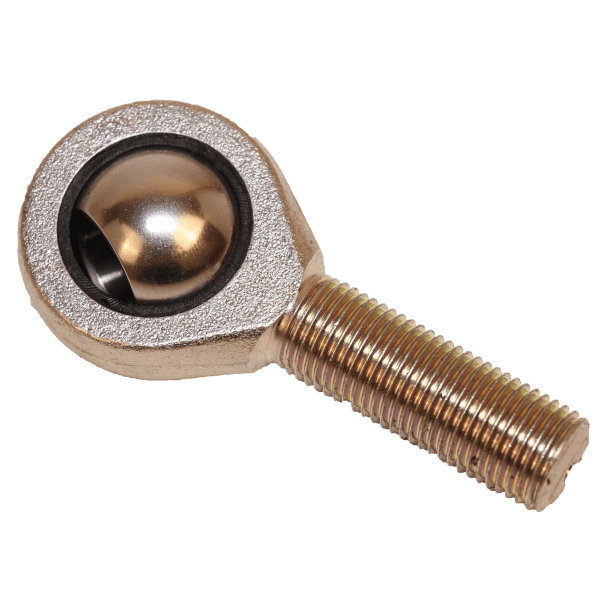
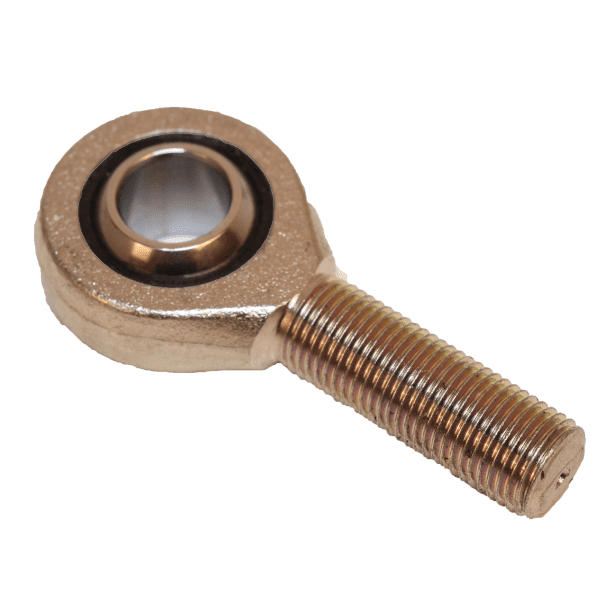
BALL JOINT END
Part Number: F0600984C
Direct replacement (cross ref) for 06-00984.
This ball joint end is a steering and suspension component that allows controlled movement between connected parts while maintaining proper alignment. Every time the truck turns, hits a bump or travels across uneven pavement, the ball joint end is working.
Because it handles constant movement and load, wear eventually becomes unavoidable. Once looseness develops, steering feel can change quickly, and tire wear often follows. Replacing a worn ball joint end helps restore stability and keeps the steering system responding the way it should.
For trucks that spend long hours on the highway or operate on rough job sites, ball joint wear is a common maintenance item.
What the Part Does
The ball joint end acts as a pivot point within the steering or suspension system. It allows movement in multiple directions while keeping connected components properly located.
As the suspension travels up and down and the steering moves left and right, the ball joint provides smooth articulation without excessive play.
A healthy ball joint helps maintain:
- Steering precision
- Proper wheel alignment
- Predictable handling
- Even tire wear
- Suspension stability
When wear develops inside the joint, that precision begins to disappear. Ball joint wear is often found alongside worn suspension Bushings – F0201805C, especially on higher-mileage trucks.
Common Problems This Part Solves
A worn ball joint end can create several noticeable symptoms. Common complaints include:
- Loose steering feel
- Wandering on the highway
- Clunking noises over bumps
- Uneven tire wear
- Steering vibration
- Difficulty maintaining alignment
In severe cases, excessive play may be visible during inspection when the suspension is unloaded. Ignoring these warning signs usually allows wear to spread to other steering and suspension components.
Why Replacement Matters
Steering components are not parts you want to postpone replacing.
A worn ball joint affects how the truck tracks down the road and how the tires contact the pavement. Left unchecked, it can accelerate tire wear, increase steering instability, and create additional stress on related suspension parts.
Replacing the ball joint end restores tighter steering response and helps prevent more expensive repairs later. For fleets, catching ball joint wear during routine inspections can save significant money in tire replacement and alignment costs.
Compatibility and Fitment
This ball joint end replaces OEM part number 06-00984.
Always verify the original part number and vehicle application before ordering. Steering components can vary depending on axle configuration, suspension design, and model year.
Installation and Service Notes
Installation generally involves removing the worn joint from the steering or suspension assembly and installing the replacement component.
During replacement, technicians should inspect nearby steering components for wear, including tie rod ends, drag links, bushings, and mounting hardware.
Once installation is complete, alignment should be checked to verify proper steering geometry.
Use Case
This ball joint end is commonly used during steering repairs, suspension rebuilds, alignment corrections, and preventive fleet maintenance programs.
About Us
We’re a family-owned group of Peterbilt dealerships dedicated to getting you the parts you need quickly and affordably. Whether you’re looking for Paccar OEM parts, reliable aftermarket replacements, or popular upgrades like seats and filters, we make it easy to keep your truck running and on the road. If you don’t see what you need online, just give us a call or send an email — chances are we can get it. We pride ourselves on fast service, fair prices, and being a partner you can depend on when downtime isn’t an option.
FAQs
Q1: What are the first signs of a bad ball joint?
A: Many drivers notice loose steering, wandering, uneven tire wear, or clunking noises when driving over bumps. These symptoms usually get worse as wear progresses.
Q2: Can a worn ball joint affect tire life?
A: Yes. Once excessive play develops, wheel alignment can change and tires may wear unevenly or much faster than normal.
Q3: Should both sides be replaced at the same time?
A: Not always, but many technicians inspect both sides closely. If one side shows significant wear, the other may not be far behind.
Q4: Will I need an alignment after replacement?
A: In most cases, yes. Checking alignment after steering or suspension work helps prevent tire wear and ensures proper handling.
Q5: How long do ball joint ends typically last?
A: Service life varies greatly depending on road conditions, mileage, load weight, and maintenance practices. Trucks operating on rough roads generally see faster wear than highway-operated vehicles.

