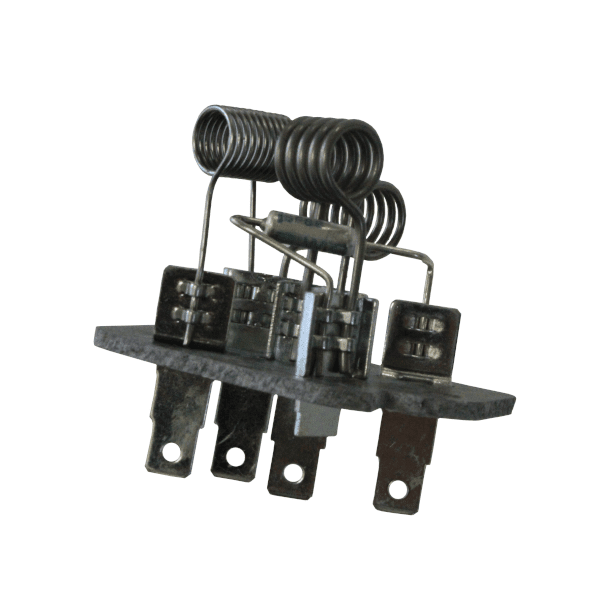
Description
Product Overview
The FP93CAA310001SC blower resistor is part of the truck’s heating and air conditioning system. It helps control the speed of the cab blower motor, giving the driver different fan-speed settings instead of having the blower run at only one speed.
This part directly replaces P93CAA3100-01S.
If the blower works on one speed but not the others, the resistor is one of the first parts worth checking. It is a relatively small component, but when it fails, the HVAC system can become frustrating to use.
What the Part Does
The blower motor moves air through the cab vents. The blower resistor controls the electrical current going to that motor at different fan settings.
That is what lets you select low, medium, high, or other available blower speeds instead of having only one setting.
The resistor deals with heat as it controls the motor’s electrical current. Over time, repeated use and heat can cause it to fail.
Common Problems This Part Solves
A bad blower resistor can cause:
- Some fan speeds to stop working
- The blower to work only on high
- Intermittent blower operation
- Fan-speed settings that do not respond correctly
- HVAC airflow that cannot be adjusted normally
If the blower works fine on high but refuses to run on lower settings, the resistor is a common suspect.
Of course, the motor, switch, wiring, and fuse should also be checked before replacing parts.
Why Replacement Matters
A blower that only works on one setting is more than an annoyance when you’re spending hours in the cab. Proper fan control helps with heating, cooling, ventilation, and windshield defrosting.
A faulty resistor can also make it harder to diagnose HVAC problems because the driver may think the blower motor itself has failed.
Replacing the resistor when it is actually the problem can bring the missing fan speeds back without replacing a perfectly good blower motor.
Compatibility and Fitment
The FP93CAA310001SC replaces P93CAA3100-01S. Always verify the original part number and HVAC configuration before ordering because blower system components can vary between applications.
Installation and Service Notes
Before replacing the resistor, check the blower motor and electrical connections. A blower motor that is drawing too much current can contribute to resistor failure.
Install the new resistor in the correct location and make sure its connector is secure. Test every blower speed after the repair.
Related Part: Blower Motor – FSR2000010C is a natural part to inspect if you’re already working on the blower resistor. If the motor is noisy, stiff, or drawing excessive current, replacing only the resistor may not solve the problem for long.
Use Case
This resistor is useful for Peterbilt HVAC repairs where the blower does not operate correctly across its available speed settings. It is a common type of repair for trucks with aging cab climate-control components.
About Us
We’re a family-owned group of Peterbilt dealerships dedicated to getting you the parts you need quickly and affordably. Whether you’re looking for Paccar OEM parts, reliable aftermarket replacements, or popular upgrades like seats and filters, we make it easy to keep your truck running and on the road. If you don’t see what you need online, just give us a call or send an email — chances are we can get it. We pride ourselves on fast service, fair prices, and being a partner you can depend on when downtime isn’t an option.
FAQs
What does a blower resistor control?
It controls the electrical current used by the blower motor at different fan settings. That gives the driver control over blower speed.
Why does my blower only work on high?
A failed blower resistor is a common reason. However, the wiring, motor, fuse, and controls should also be checked before replacing the resistor.
Does this part replace P93CAA3100-01S?
Yes. FP93CAA310001SC is a direct replacement for P93CAA3100-01S.
Can a bad blower motor damage the resistor?
A blower motor with electrical or mechanical problems can put extra load on the circuit. That is why it is worth checking the motor when replacing a resistor.


