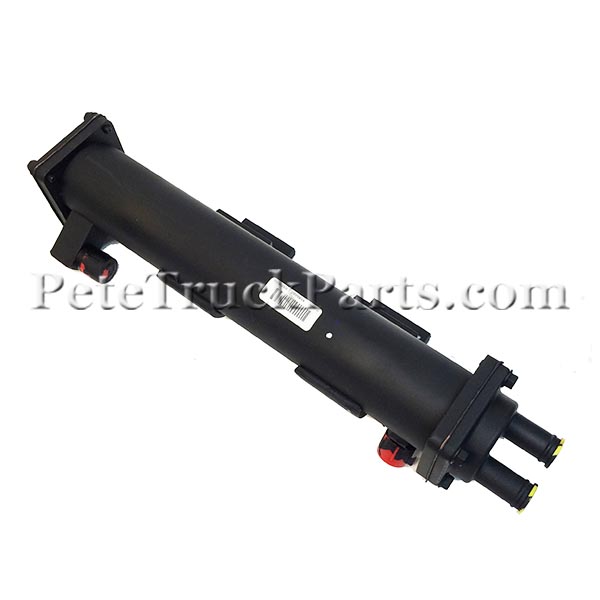
Description
Part Number: K-4709
Supersedes: K4245
The K-4709 transmission oil heat exchanger kit is designed to help maintain proper transmission fluid temperatures in heavy-duty truck applications. Transmission fluid does much more than lubricate moving parts. It also carries heat away from the transmission and if that heat isn’t controlled, fluid breakdown and component wear can happen much faster than expected.
Heat exchangers play an important role in keeping transmission temperatures within a safe operating range. Whether a truck is pulling heavy loads, running long highway miles, or spending time in stop-and-go traffic, transmission temperatures can climb quickly. A properly functioning heat exchanger helps remove excess heat from the fluid before it causes problems.
When a heat exchanger begins to leak, clog or lose efficiency, the transmission often pays the price. Replacing worn components with the correct kit helps restore cooling performance and supports the long-term health of the transmission.
What the Part Does
The transmission oil heat exchanger transfers heat away from the transmission fluid. In most applications, heat is exchanged between the transmission fluid and another cooling medium, reducing fluid temperatures during operation.
Keeping transmission fluid at the proper temperature is critical. Fluid that runs too hot can lose its protective properties, leading to increased wear on internal components such as clutches, bearings, seals, valves, etc. On the other hand, a properly functioning cooling system helps maintain consistent transmission performance and can extend fluid and component life.
The heat exchanger works behind the scenes, but it performs a job that directly affects reliability every time the truck is on the road.
Common Problems This Part Solves
Heat exchanger issues often develop gradually rather than all at once. Drivers may not notice a problem until transmission temperatures start running higher than normal or a leak develops.
Common signs of heat exchanger-related problems include:
- Elevated transmission operating temperatures
- Fluid leaks around the heat exchanger assembly
- Reduced cooling efficiency
- Premature transmission fluid breakdown
- Hard or inconsistent shifting caused by excessive heat
- Contamination concerns if internal failures occur
In many cases, cooling performance declines over time due to internal buildup, corrosion, normal wear and more. Replacing worn components before a major transmission issue develops can help avoid much larger repair bills later.
Why Replacement Matters
Transmission repairs are rarely inexpensive. That’s why supporting components such as the heat exchanger deserve attention when signs of wear appear.
A transmission that consistently operates above its intended temperature range experiences increased stress on virtually every internal component. Heat is one of the biggest enemies of transmission fluid and transmission longevity.
Replacing a failing heat exchanger kit helps restore proper cooling performance and gives the transmission the temperature control it needs to operate reliably. It’s often far less expensive to address cooling issues early than to deal with the consequences of overheating later.
Compatibility and Fitment
This kit is sold as K-4709 and is intended for transmission oil heat exchanger applications requiring this specific part number.
Always verify part number compatibility and vehicle application before ordering. Heavy-duty truck cooling and transmission systems can vary by model, engine, transmission configuration, production year and other factors.
Installation and Service Notes
When replacing heat exchanger components, it is important to inspect the surrounding cooling and fluid lines as well. Worn hoses, damaged fittings or contaminated fluid affect the performance of the new installation.
The cooling system and transmission fluid should be checked for cleanliness before the vehicle is returned to service. Any signs of contamination, excessive debris or fluid deterioration should be addressed during the repair process.
The temperature sensor is also part of the system.
Use Case
The K-4709 heat exchanger kit is commonly used during transmission cooling system repairs, preventive maintenance, leak repairs, and major transmission service work. It’s a practical replacement for fleets, repair shops and owner-operators looking to maintain proper transmission temperatures and avoid heat-related transmission problems.
About Us
We’re a family-owned group of Peterbilt dealerships dedicated to getting you the parts you need quickly and affordably. Whether you’re looking for Paccar OEM parts, reliable aftermarket replacements, or popular upgrades like seats and filters, we make it easy to keep your truck running and on the road. If you don’t see what you need online, just give us a call or send an email — chances are we can get it. We pride ourselves on fast service, fair prices, and being a partner you can depend on when downtime isn’t an option.
FAQs
Q1: What does a transmission oil heat exchanger do?
A: Its job is to remove excess heat from the transmission fluid. By controlling fluid temperature, the heat exchanger helps protect internal transmission components and supports consistent performance under load.
Q2: What happens if a transmission heat exchanger fails?
A: A failed heat exchanger can lead to fluid leaks, poor cooling performance, overheating, and accelerated transmission wear. In severe cases, prolonged overheating can contribute to expensive transmission damage.
Q3: Can overheating transmission fluid cause shifting problems?
A: Yes, transmission fluid that becomes too hot can lose some of its effectiveness. Drivers may notice harsher shifts, delayed engagement or inconsistent transmission performance when temperatures climb beyond normal operating ranges.
Q4: Should transmission fluid be inspected during heat exchanger replacement?
A: Absolutely, since the heat exchanger directly affects fluid temperature and condition, it’s a good idea to inspect the fluid for contamination, discoloration, burnt odor or other signs of excessive heat exposure during service.
Q5: How can I tell if my transmission cooling system needs attention?
A: Common warning signs include higher-than-normal operating temperatures, fluid leaks, shifting concerns, warning lights, or evidence of fluid deterioration. Addressing cooling-system problems early help prevent larger transmission repairs down the road.


