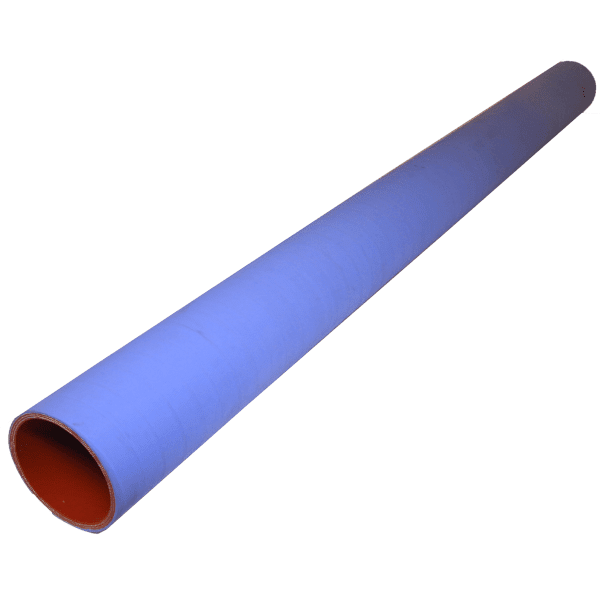
Description
Part Number: FD10302650C
This is sold by the foot.
Superseded p/n: FS22844C, FS22844C, HE2271
This blue coolant hose FS22844C is a replacement radiator and cooling system hose designed to carry engine coolant between key points in the system. It replaces OEM HE2271 and is built for high-temperature, high-pressure coolant flow in heavy-duty truck applications.
On a working truck, coolant hoses are doing non-stop circulation duty. Hot coolant leaves the engine, travels through the radiator system, and comes back cooled. This hose is part of that loop, and it’s constantly exposed to heat cycles, pressure changes, vibration, etc.
It doesn’t fail all at once. It usually starts small (a soft spot, a minor leak or swelling) and then it turns into a roadside issue if ignored.
What the Part Does
This hose moves coolant between engine and cooling system components. Its job is simple: keep fluid moving without leaks, restrictions, or collapse under pressure.
It has to hold shape under heat, stay flexible enough for engine movement, and resist internal breakdown from coolant chemicals over time.
If the hose cannot hold pressure, the cooling system loses efficiency immediately.
Common Problems This Part Solves
When this hose starts going bad, the signs usually show up before it fails completely:
- Coolant leaks at connections or along the hose body
- Soft or spongy hose sections
- Swelling or bulging under pressure
- Engine running hotter than normal
- Visible cracks near clamps or bends
One of the most common issues is internal weakening. The outside can look fine while the inside layers start breaking down.
Why Replacement Matters
A cooling hose failure doesn’t give much warning once it goes. When it bursts or separates, you lose coolant fast. That leads to overheating, and overheating on a diesel engine is never something you want to mess with.
Even a slow leak matters. Running low on coolant puts extra stress on the engine, radiator, and thermostat system. Replacing a worn hose early is cheap insurance compared to engine damage.
Compatibility and Fitment
This hose replaces OEM HE2271. Always match routing and diameter before installation, because coolant hoses can look similar but still not fit correctly under load or temperature expansion.
Installation and Service Notes
Old hose comes off at clamp points. Clean the fittings before installing the new one so you get a proper seal.
Make sure clamps are seated properly, not too loose, not over-tightened. After installation, run the engine up to temperature and recheck for leaks once the system pressurizes.
Also check the temperature sensor as well as nearby hoses. If one has aged out, others in the system are usually close behind.
Use Case
Used in routine cooling system repairs, preventive maintenance, and overheating diagnostics. Common on high-mileage trucks or fleets running heavy loads.
About Us
We’re a family-owned group of Peterbilt dealerships dedicated to getting you the parts you need quickly and affordably. Whether you’re looking for Paccar OEM parts, reliable aftermarket replacements, or popular upgrades like seats and filters, we make it easy to keep your truck running and on the road. If you don’t see what you need online, just give us a call or send an email — chances are we can get it. We pride ourselves on fast service, fair prices, and being a partner you can depend on when downtime isn’t an option.
FAQs
Q1: How do I know the hose is failing internally?
A: Look for soft spots, swelling, or a hose that feels different along its length.
Q2: Can I reuse old clamps?
A: Sometimes, but if they’re rusted or weak, it’s better to replace them at the same time.
Q3: What causes coolant hoses to fail early?
A: Heat cycles, oil contamination, and constant pressure changes are the main causes.
Q4: Should I replace both hoses together?
A: If one has failed from age, the other is usually not far behind.
Q5: Can a bad hose cause overheating?
A: Yes, even a small leak or restriction can reduce cooling efficiency quickly.

